
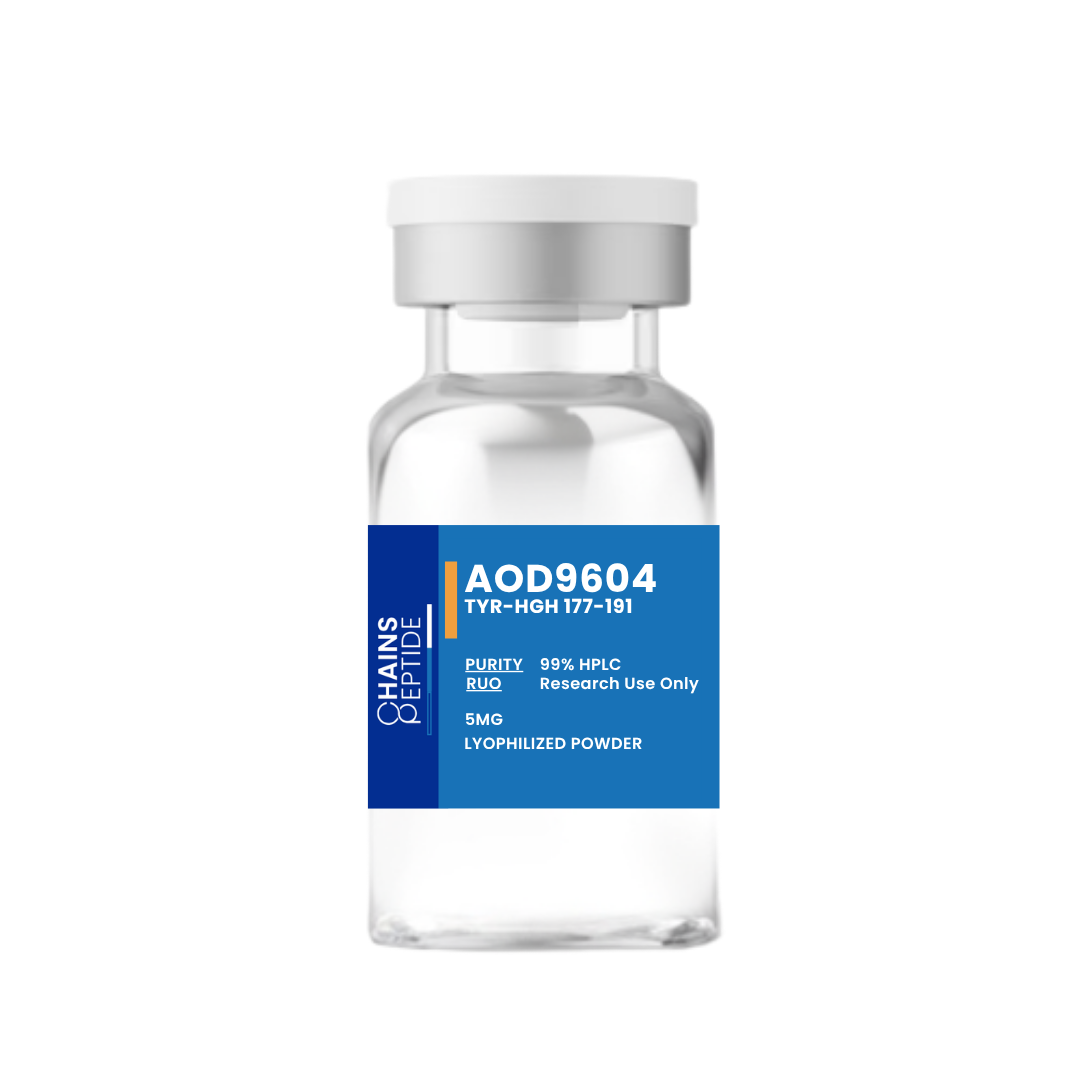
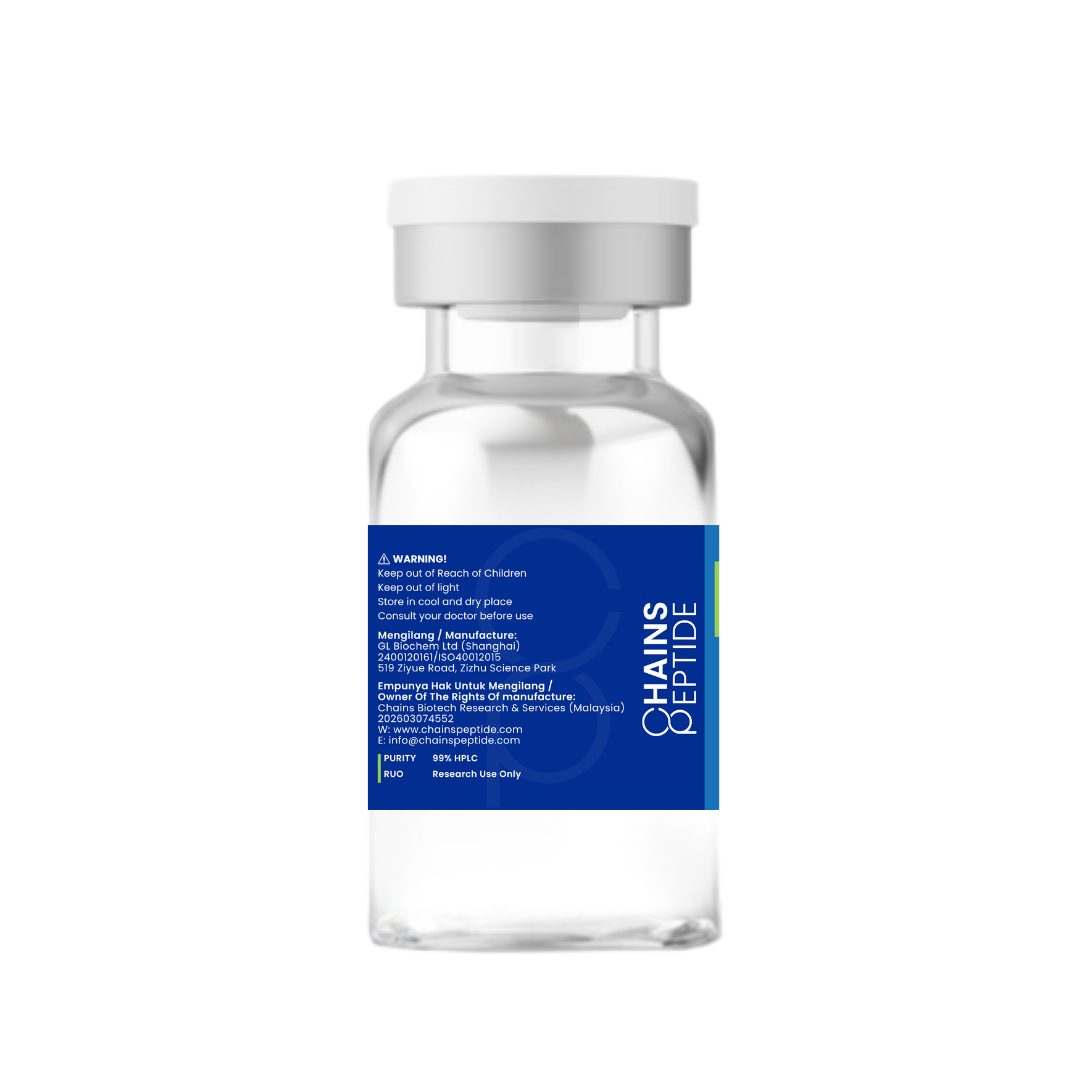
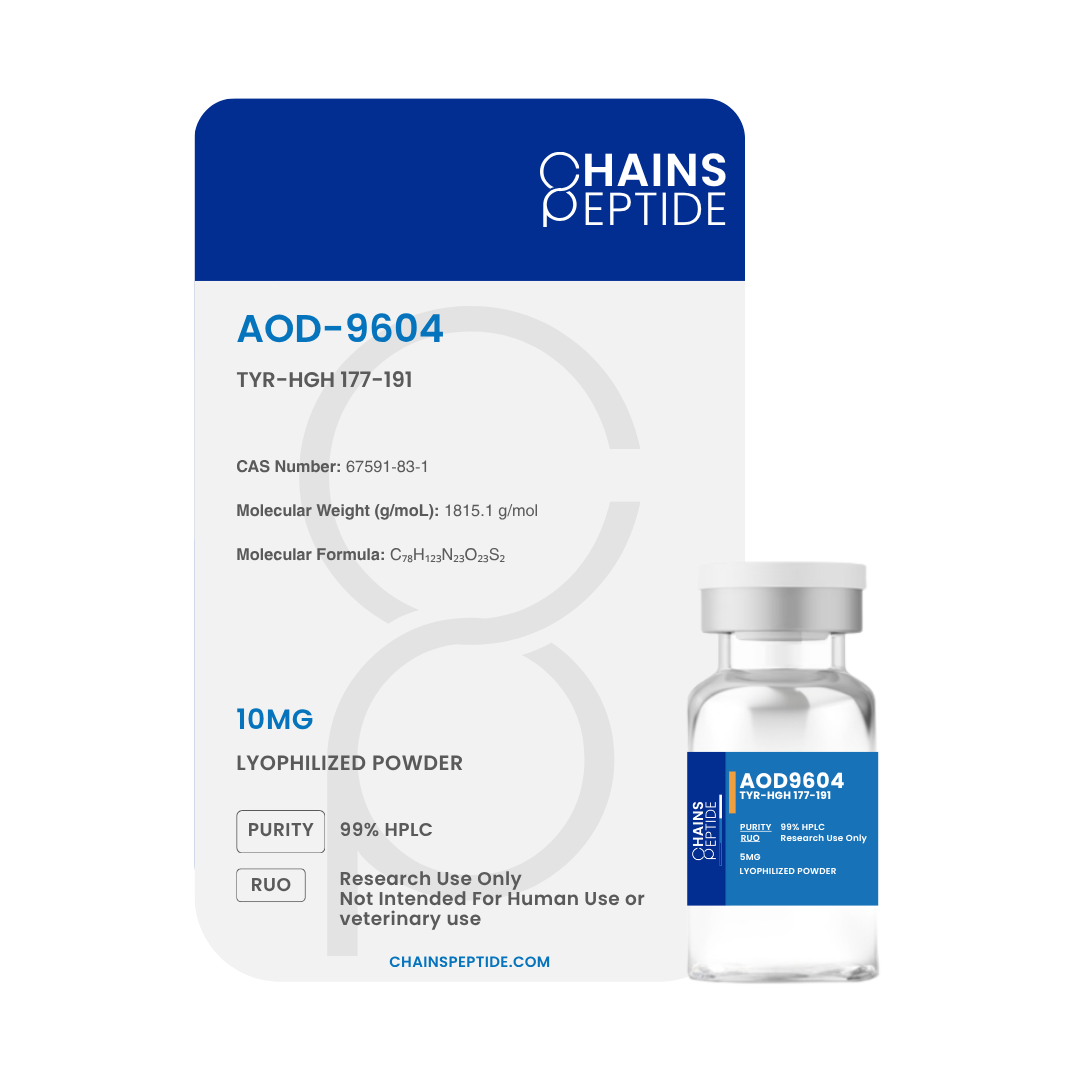
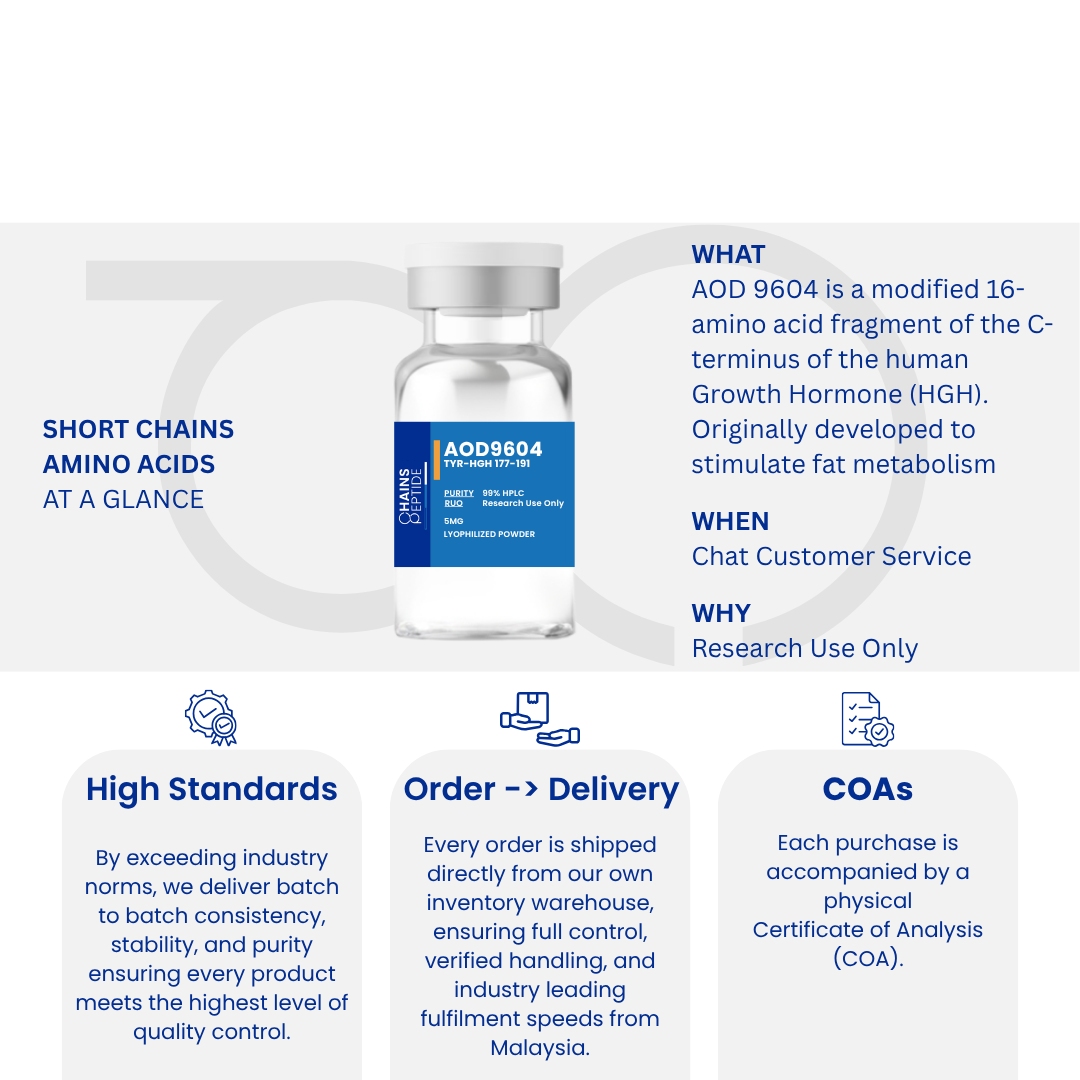
AOD-9604 is studied primarily for its isolated metabolic and tissue-regenerative properties. Because it mimics the C-terminal domain of human growth hormone (hGH) without interacting with the classic growth hormone receptor, researchers use it to separate fat-reduction pathways from systemic cellular growth.
1. Adipocyte Biology and Fat Metabolism
-
- Lipolysis Acceleration: Used in in vitro and animal models to track the breakdown of triglycerides into free fatty acids and glycerol. Studies evaluate its ability to stimulate (beta_3)-adrenergic receptors to activate lipid mobilization.
- Lipogenesis Inhibition: Investigated to understand how truncated peptides prevent pre-adipocytes from differentiating into mature fat cells. Researchers use it to explore mechanisms that block the accumulation of new fat storage.
- Glycemic Independence: Employed as a control or comparison tool to study metabolic pathways that do not trigger insulin resistance, hyperglycemia, or elevated IGF-1 levels—common drawbacks of full-length hGH.
2. Orthopedic and Musculoskeletal Repair
-
- Cartilage Matrix Regeneration: Evaluated in osteoarthritis research models (such as collagenase-induced knee osteoarthritis). Studies track its capacity to promote proteoglycan and collagen production in isolated chondrocytes.
- Synergistic Joint Therapies: Investigated in combination with hyaluronic acid (HA) to evaluate if co-administration enhances morphological and histopathological joint repair better than single-agent models.
- Mesenchymal Stem Cell Differentiation: Used to study the pathways that encourage adipose-derived mesenchymal stem cells to differentiate into osteogenic (bone-forming) lineages.
- Myoblast Proliferation: Researched in skeletal muscle injury models to see how truncated growth hormone fragments influence the differentiation of myoblasts into muscle tissue filaments.
3. Metabolic Syndrome & Extracellular Matrix Probes
- Hepatic Fat Accumulation: Studied in preclinical models of metabolic dysfunction-associated steatotic liver disease (MASLD/NAFLD) to assess how selective fat oxidation impacts liver fat accumulation.
- Biomaterial Scaffold Experiments: Utilized in bioengineering research as a bioactive compound within structural scaffolds to test if localized peptide release improves the integration of bone and cartilage grafts.
- CAS Number: 221231-10-3
- Molecular Formula: : C₇₈H₁₂₃N₂₃O₂₃S₂
- Molecular Weight (g/moL): 1815.1 Da
- Amino Acid Sequence: Tyr-Leu-Arg-Ile-Val-Gln-Cys-Arg-Ser-Val-Glu-Gly-Ser-Cys-Gly-Phe
- Synonyms: TYR-HGH 177-191
AOD-9604 Supply by Chains Peptide Malaysia
Chains Peptide Malaysia provides AOD-9604 to qualified researchers throughout Malaysia from our local inventory. We are 100% owned, operated, and shipped directly from Malaysia. When you purchase AOD-9604 from Chains Peptide Malaysia, you will receive a physical Certificate of Analysis (COA) with each order. To prevent online fraud and unauthorized use, COAs are not provided digitally and are not intended for marketing purposes. All orders ship the same day from Malaysia, accompanied by full chain of custody documentation.
Reviews
There are no reviews yet.